Shopping Basket
Your shopping basket is currently empty
Quote Request Basket
Your quote request basket is currently empty
*Shackles not included - Available upon request.
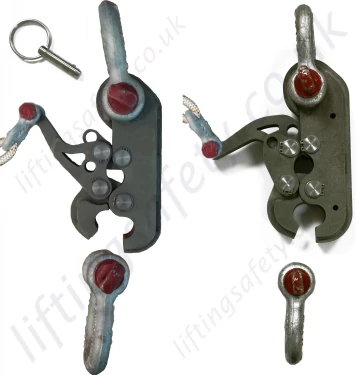
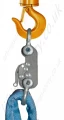
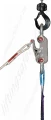
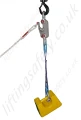
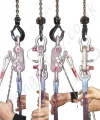
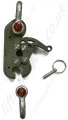
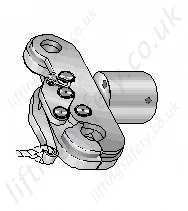
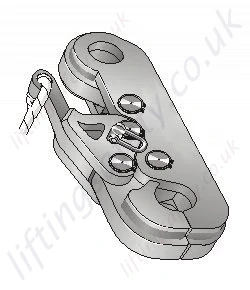
LiftingSafety's Automatic release Hook-Clamps provide a unique method to Automatically release a load from the rigging and can easily be adapted to suit customers requirements. Fully corrosion resistant designed specifically for subsea and offshore use with a proven pedigree and reliability.
The LiftingSafety Automatic Load Release Hook-Clamp is perfect for when you need to quickly release a load, it comes in a large range of working capacities (safe working loads) and can be fabricated to suit your needs with bespoke capacities etc...
As standard the umbilical hose, hose reeler and power pack (HPU or pneumatic) supplied by the customer though we can quote to supply if requested.
Either end of the Hook-Clamp can be attached to a sling / shackle / hook allowing multiple uses, the load can then be released by use of a lanyard pulling the release lever or by using one of the remote-load release options available, see the 'Options' tab for more information. (manual, hydraulic, pneumatic, squib-fired thruster.)
Manual Release - LS-Series (standard) |
|
![]() |
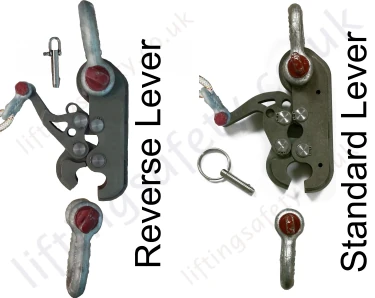
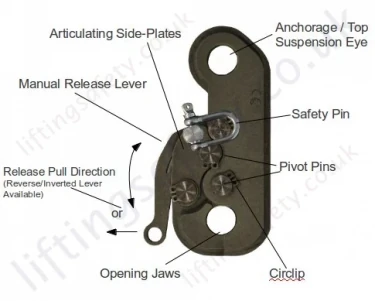
On the standard Hook-Clamp model, the lever is lifted to release the front clamp and allow the load to be released, it can be locked by a pin and ranges from 560kg to 69,000kg |
Manual Release S-Series (Steel Supporting Plate Only for Horizontal applications only) |
|
![]() |
The "S-Series" Hook-Clamp is affixed to a steel plate to allow more accuracy when attempting to release a load, applications such as towing and off-loading in the ocean are perfect for this Hook-Clamp |
Pneumatic / Compressed Air Release (Manual Release back-up) PNU-Series |
|
![]() |
The "PNU-Series" Hook-Clamp is fitted with a compressed air cylinder (Pneumatic ram) and allows for air pressure to release the load. The Air Cylinders operate at 60 to 100 PSI. |
Manual Release RL-Series (Inverted Release lever for activation/operation below the load) |
|
![]() |
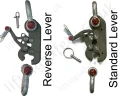
The "RL Series" Hook-Clamp is simply a reversed lever. This can provide a better angle of load release in some cases. For example, this option would be needed when the operator needs to release the shackle/rigging gear when the load is positioned above the operator. |
Hydraulic Release (Manual Release back-up) HYDRA-Series |
|
![]() |
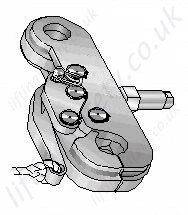
The "HYDRA Series" Hook-Clamp is fitted with a hydraulic cylinder mounted below the device, This setup can be used to replace a hydraulic release shackle (or hydraulic shackle). Above the cylinder is a plunger which penetrates through a hole in the body below the toggle pin. When this hydraulic system is activated, the cylinder pushes through the plunger and the toggle pin forcing the clamp to release the shackle (or other rigging gear). The hydraulic shackle release Hook-Clamp range can be operated remotely by a single 1/4" hydraulic hose. It can be operated by a manual hand pump, remote accumulator or power pack (HPU) Most commonly used for subsea/offshore applications for hydraulic release of shackles. |

![]() |
|||||||||||
| Part N° |
Recommended Shackle Size |
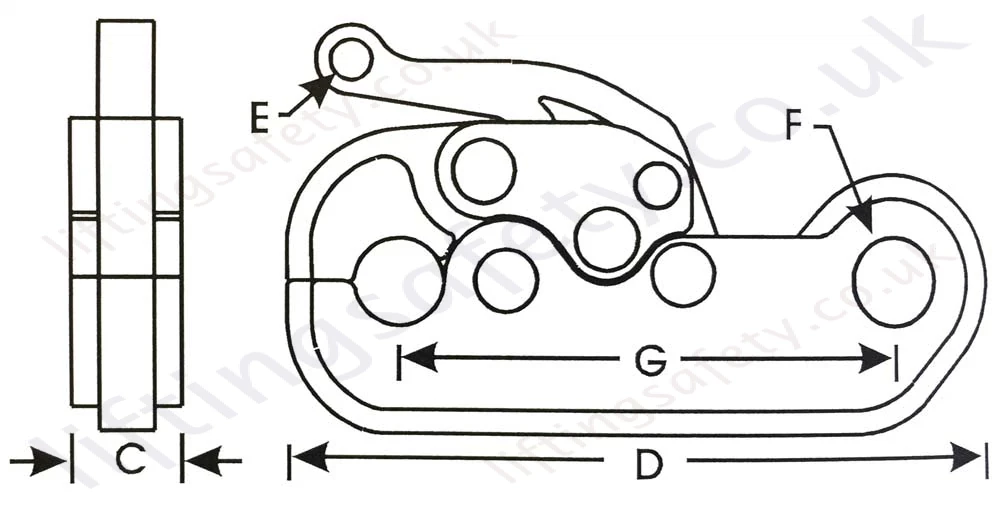
Dimensions (mm) | SWL (kg) | Break load (kg) | Weight (kg) | ||||||
| Recommended shackle opening | Recommended shackle pin dia. | C | D | E | F | G | |||||
| 4193-T22955 | Keyring | -- | -- | 9.52 | 44.4 | -- | 4.76 | 31.75 | NOT RATED | 0.36 | |
| 4193-T22956 | 1/4" | 11.93 | 7.87 | 10.41 | 73.39 | 4.57 | 9.39 | 49.78 | 590 | 2,902 | 0.14 |
| 4193-T22957 | 7/16" | 19.05 | 12.7 | 17.52 | 114.3 | 6.35 | 13.97 | 79.5 | 1,450 | 7,529 | 0.58 |
| 4193-T22958 | 5/8" | 26.92 | 19.05 | 25.4 | 168.14 | 9.65 | 20.57 | 115.82 | 3,190 | 15,966 | 1.81 |
| 4193-T22959 | 3/4" | 31.75 | 22.09 | 30.22 | 195.07 | 10.92 | 23.62 | 140.46 | 4,330 | 21,708 | 2.85 |
| 4193-T22960 | 1" | 42.92 | 28.7 | 41.4 | 247.65 | 14.22 | 30.73 | 174.49 | 7,185 | 35,924 | 5.67 |
| 4193-T22961 | 1-3/8" | 57.15 | 38.1 | 53.84 | 334.01 | 19.05 | 41.4 | 232.41 | 12,700 | 63,502 | 14.5 |
| 4193-T22962 | 1-1/2" | 60.45 | 41.14 | 57.15 | 361.95 | 20.57 | 45.21 | 251.96 | 14,905 | 74,525 | 18.14 |
| 4193-T22963 | 1-3/4" | 73.15 | 50.8 | 69.85 | 446.02 | 25.4 | 54.86 | 310.13 | 22,770 | 113,851 | 31.2 |
| 4193-T22964 | 2" | 82.55 | 57.15 | 79.5 | 501.14 | 28.44 | 62.48 | 349.25 | 28,750 | 143,743 | 48.98 |
| 4193-T22965 | 2-1/2" | 104.9 | 69.85 | 98.55 | 612.9 | 34.79 | 76.45 | 426.97 | 42,970 | 214,866 | 89.35 |
| 4193-T22966 | 3" | 127 | 82.55 | 120.65 | 782.06 | 44.45 | 97.79 | 544.32 | 69,960 | 349,810 | 138.8 |

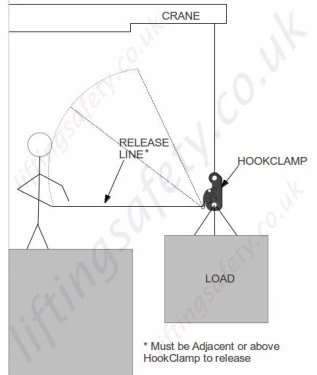
The Hook-Clamp consists of several moving parts that allow the 'jaw' to open and release a load, generally you would use a release line to attach to the lever, pull this line and the load will release.
These are the alternative methods for releasing the shackle:
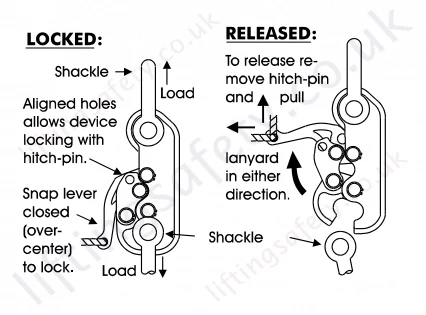
Manual release of the loaded Hook-Clamp is activated by first removing the safety / hitch pin. This is done either manually (directly by hand) or by a pull cord attached to the spring loaded safety hitch pin; i.e. remotely and safety from a distance. The safety hitch pin release cord can be activated from any direction.
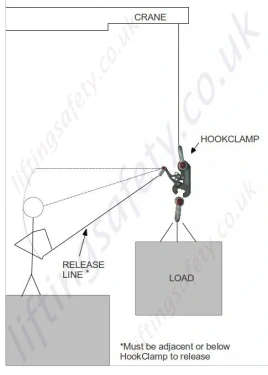
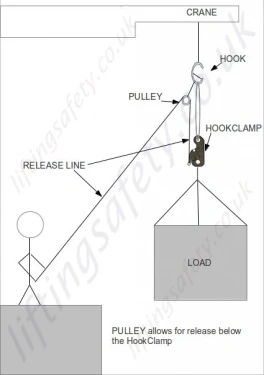
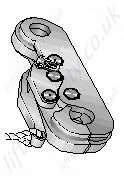
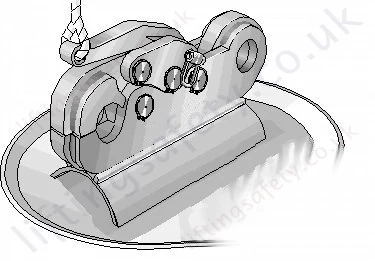
Once the safety hitch pin has been removed the clamp is “loaded” or “Live” and pulling the cord attached to the release lever WILL DROP / RELEASE the load. Pulling firmly on a release line connected to the end of the release lever also means that the operator can safety release the load away from the “danger area”. The release line can be activated “Directly” in any direction within the 90 degrees perpendicular and parallel to the line of load. The “Standard” release lever can also be operated from above the load as shown in the diagram below with the use of a suitable pulley; effectively giving 180 degree operation.
The Hook-Clamp can release the load with or without load on the unit. (providing the safety hitch pin is removed).
The use of the hitch pin is not required to secure the device in the locked position. It is an added, secondary safety measure preventing inadvertent release. A safety hitch pin is provided with each unit. The standard safety hitch pin is not spring loaded for remote operation (from distance by a pull cord).
Detailed below are the figures of the estimated effort required to release a load at full capacity. This effort can be adjusted by following the instructions below.
| Safe Working Load | Estimated Effort To Pull Lanyard To Release Capacity Load (Can be adjusted, see below) |
| 590kg | 3.62kg |
| 1,507kg | 8.61kg |
| 3,194kg | 18.14kg |
| 4,342kg | 39.91kg |
| 7,186kg | 65.77kg |
| 12,776kg | 117kg |
| 14,902kg | 136.53kg |
| 22,770kg | 208kg |
| 28,747kg | 263kg |
| 42,975kg | 393kg |
| 69,960kg | 640kg |
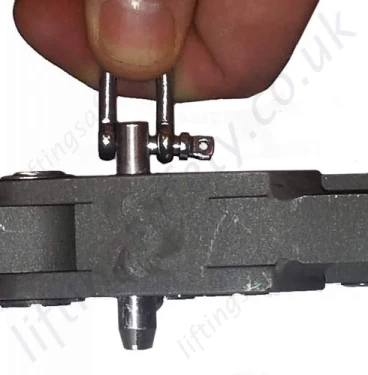
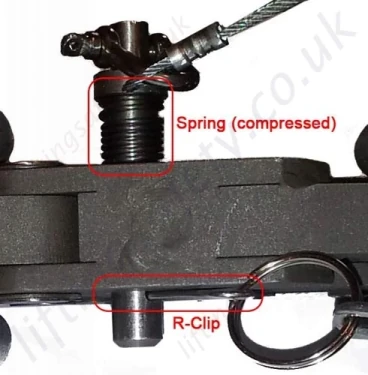
The hitch pin can be supplied "Spring Loaded" remote triggered release. This means that the hitch pin can be remotely removed from the body of the Hook-Clamp by use a pull-cord attached to a spring loaded hitch pin and therefore ensuring an additional level of safety even when the operator cannot physically reach the hitch pin to physically release it!


Ample material has been left at the tip of the movable jaw (see arrow) where the jaw and body come in contact. This aids in holding the device securely over-centre in the locked position even when no load is applied to the device. It also helps prevent inadvertent release of the device.
Should the user require that the effort to lock the release lever of the device over-centre be reduced, the procedure is to locate the area where the surface of the jaw comes in contact with the body and lightly file or grind off material in that area.
It is important to test the effort frequently after some material has been removed so as to prevent the removal of too much material.
Should the user require that the effort to lock the release lever of the device over-centre be increased, the procedure is to increase the thickness of the material between the two surfaces by applying a center punch mark in the area of the jaw where the surfaces meet. Should there still be insufficient material to ensure the positive locking integrity of the device, the contact area of the jaw will need to be spot-welded. This welded material will then need to be ground to the appropriate thickness.
| Standard Release Lever | Reverse Release Lever | Standard Lever Release with Pulley (the same can be done with reverse lever if necessary) |
![]() |
![]() |
![]() |
If you wish to receive a quote for this product, please use the Pricing section to the right, this form is for general enquiries regarding this product only.
You can also request a quote through the pricing tab!
You can easily add more than one item to the Quote Request. This is highly recommended as we will be able to suit your needs much more efficiently.
*Shackles not included - Available upon request.
LiftingSafety's Automatic release Hook-Clamps provide a unique method to Automatically release a load from the rigging and can easily be adapted to suit customers requirements. Fully corrosion resistant designed specifically for subsea and offshore use with a proven pedigree and reliability.
The LiftingSafety Automatic Load Release Hook-Clamp is perfect for when you need to quickly release a load, it comes in a large range of working capacities (safe working loads) and can be fabricated to suit your needs with bespoke capacities etc...
As standard the umbilical hose, hose reeler and power pack (HPU or pneumatic) supplied by the customer though we can quote to supply if requested.
Either end of the Hook-Clamp can be attached to a sling / shackle / hook allowing multiple uses, the load can then be released by use of a lanyard pulling the release lever or by using one of the remote-load release options available, see the 'Options' tab for more information. (manual, hydraulic, pneumatic, squib-fired thruster.)
Manual Release - LS-Series (standard) |
|
![]() |
On the standard Hook-Clamp model, the lever is lifted to release the front clamp and allow the load to be released, it can be locked by a pin and ranges from 560kg to 69,000kg |
Manual Release S-Series (Steel Supporting Plate Only for Horizontal applications only) |
|
![]() |
The "S-Series" Hook-Clamp is affixed to a steel plate to allow more accuracy when attempting to release a load, applications such as towing and off-loading in the ocean are perfect for this Hook-Clamp |
Pneumatic / Compressed Air Release (Manual Release back-up) PNU-Series |
|
![]() |
The "PNU-Series" Hook-Clamp is fitted with a compressed air cylinder (Pneumatic ram) and allows for air pressure to release the load. The Air Cylinders operate at 60 to 100 PSI. |
Manual Release RL-Series (Inverted Release lever for activation/operation below the load) |
|
![]() |
The "RL Series" Hook-Clamp is simply a reversed lever. This can provide a better angle of load release in some cases. For example, this option would be needed when the operator needs to release the shackle/rigging gear when the load is positioned above the operator. |
Hydraulic Release (Manual Release back-up) HYDRA-Series |
|
![]() |
The "HYDRA Series" Hook-Clamp is fitted with a hydraulic cylinder mounted below the device, This setup can be used to replace a hydraulic release shackle (or hydraulic shackle). Above the cylinder is a plunger which penetrates through a hole in the body below the toggle pin. When this hydraulic system is activated, the cylinder pushes through the plunger and the toggle pin forcing the clamp to release the shackle (or other rigging gear). The hydraulic shackle release Hook-Clamp range can be operated remotely by a single 1/4" hydraulic hose. It can be operated by a manual hand pump, remote accumulator or power pack (HPU) Most commonly used for subsea/offshore applications for hydraulic release of shackles. |

![]() |
|||||||||||
| Part N° |
Recommended Shackle Size |
Dimensions (mm) | SWL (kg) | Break load (kg) | Weight (kg) | ||||||
| Recommended shackle opening | Recommended shackle pin dia. | C | D | E | F | G | |||||
| 4193-T22955 | Keyring | -- | -- | 9.52 | 44.4 | -- | 4.76 | 31.75 | NOT RATED | 0.36 | |
| 4193-T22956 | 1/4" | 11.93 | 7.87 | 10.41 | 73.39 | 4.57 | 9.39 | 49.78 | 590 | 2,902 | 0.14 |
| 4193-T22957 | 7/16" | 19.05 | 12.7 | 17.52 | 114.3 | 6.35 | 13.97 | 79.5 | 1,450 | 7,529 | 0.58 |
| 4193-T22958 | 5/8" | 26.92 | 19.05 | 25.4 | 168.14 | 9.65 | 20.57 | 115.82 | 3,190 | 15,966 | 1.81 |
| 4193-T22959 | 3/4" | 31.75 | 22.09 | 30.22 | 195.07 | 10.92 | 23.62 | 140.46 | 4,330 | 21,708 | 2.85 |
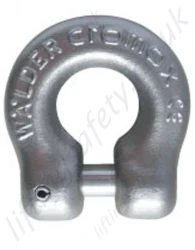
| 4193-T22960 | 1" | 42.92 | 28.7 | 41.4 | 247.65 | 14.22 | 30.73 | 174.49 | 7,185 | 35,924 | 5.67 |
| 4193-T22961 | 1-3/8" | 57.15 | 38.1 | 53.84 | 334.01 | 19.05 | 41.4 | 232.41 | 12,700 | 63,502 | 14.5 |
| 4193-T22962 | 1-1/2" | 60.45 | 41.14 | 57.15 | 361.95 | 20.57 | 45.21 | 251.96 | 14,905 | 74,525 | 18.14 |
| 4193-T22963 | 1-3/4" | 73.15 | 50.8 | 69.85 | 446.02 | 25.4 | 54.86 | 310.13 | 22,770 | 113,851 | 31.2 |
| 4193-T22964 | 2" | 82.55 | 57.15 | 79.5 | 501.14 | 28.44 | 62.48 | 349.25 | 28,750 | 143,743 | 48.98 |
| 4193-T22965 | 2-1/2" | 104.9 | 69.85 | 98.55 | 612.9 | 34.79 | 76.45 | 426.97 | 42,970 | 214,866 | 89.35 |
| 4193-T22966 | 3" | 127 | 82.55 | 120.65 | 782.06 | 44.45 | 97.79 | 544.32 | 69,960 | 349,810 | 138.8 |

The Hook-Clamp consists of several moving parts that allow the 'jaw' to open and release a load, generally you would use a release line to attach to the lever, pull this line and the load will release.
These are the alternative methods for releasing the shackle:
Manual release of the loaded Hook-Clamp is activated by first removing the safety / hitch pin. This is done either manually (directly by hand) or by a pull cord attached to the spring loaded safety hitch pin; i.e. remotely and safety from a distance. The safety hitch pin release cord can be activated from any direction.
Once the safety hitch pin has been removed the clamp is “loaded” or “Live” and pulling the cord attached to the release lever WILL DROP / RELEASE the load. Pulling firmly on a release line connected to the end of the release lever also means that the operator can safety release the load away from the “danger area”. The release line can be activated “Directly” in any direction within the 90 degrees perpendicular and parallel to the line of load. The “Standard” release lever can also be operated from above the load as shown in the diagram below with the use of a suitable pulley; effectively giving 180 degree operation.
The Hook-Clamp can release the load with or without load on the unit. (providing the safety hitch pin is removed).
The use of the hitch pin is not required to secure the device in the locked position. It is an added, secondary safety measure preventing inadvertent release. A safety hitch pin is provided with each unit. The standard safety hitch pin is not spring loaded for remote operation (from distance by a pull cord).

Detailed below are the figures of the estimated effort required to release a load at full capacity. This effort can be adjusted by following the instructions below.
| Safe Working Load | Estimated Effort To Pull Lanyard To Release Capacity Load (Can be adjusted, see below) |
| 590kg | 3.62kg |
| 1,507kg | 8.61kg |
| 3,194kg | 18.14kg |
| 4,342kg | 39.91kg |
| 7,186kg | 65.77kg |
| 12,776kg | 117kg |
| 14,902kg | 136.53kg |
| 22,770kg | 208kg |
| 28,747kg | 263kg |
| 42,975kg | 393kg |
| 69,960kg | 640kg |
The hitch pin can be supplied "Spring Loaded" remote triggered release. This means that the hitch pin can be remotely removed from the body of the Hook-Clamp by use a pull-cord attached to a spring loaded hitch pin and therefore ensuring an additional level of safety even when the operator cannot physically reach the hitch pin to physically release it!


Ample material has been left at the tip of the movable jaw (see arrow) where the jaw and body come in contact. This aids in holding the device securely over-centre in the locked position even when no load is applied to the device. It also helps prevent inadvertent release of the device.
Should the user require that the effort to lock the release lever of the device over-centre be reduced, the procedure is to locate the area where the surface of the jaw comes in contact with the body and lightly file or grind off material in that area.
It is important to test the effort frequently after some material has been removed so as to prevent the removal of too much material.
Should the user require that the effort to lock the release lever of the device over-centre be increased, the procedure is to increase the thickness of the material between the two surfaces by applying a center punch mark in the area of the jaw where the surfaces meet. Should there still be insufficient material to ensure the positive locking integrity of the device, the contact area of the jaw will need to be spot-welded. This welded material will then need to be ground to the appropriate thickness.
| Standard Release Lever | Reverse Release Lever | Standard Lever Release with Pulley (the same can be done with reverse lever if necessary) |
![]() |
![]() |
![]() |
If you wish to receive a quote for this product, please use the tab, this form is for general enquiries regarding this product only.
You can also request a quote through the pricing tab!
You can easily add more than one item to the Quote Request. This is highly recommended as we will be able to suit your needs much more efficiently.
LiftingSafety uses cookies to improve your user experience.
Find out more